
TBG reinforces its leading role in the natural gas sector at OTC Brazil 2025.
TBG reinforces its leading role in the natural gas sector at OTC Brazil 2025.


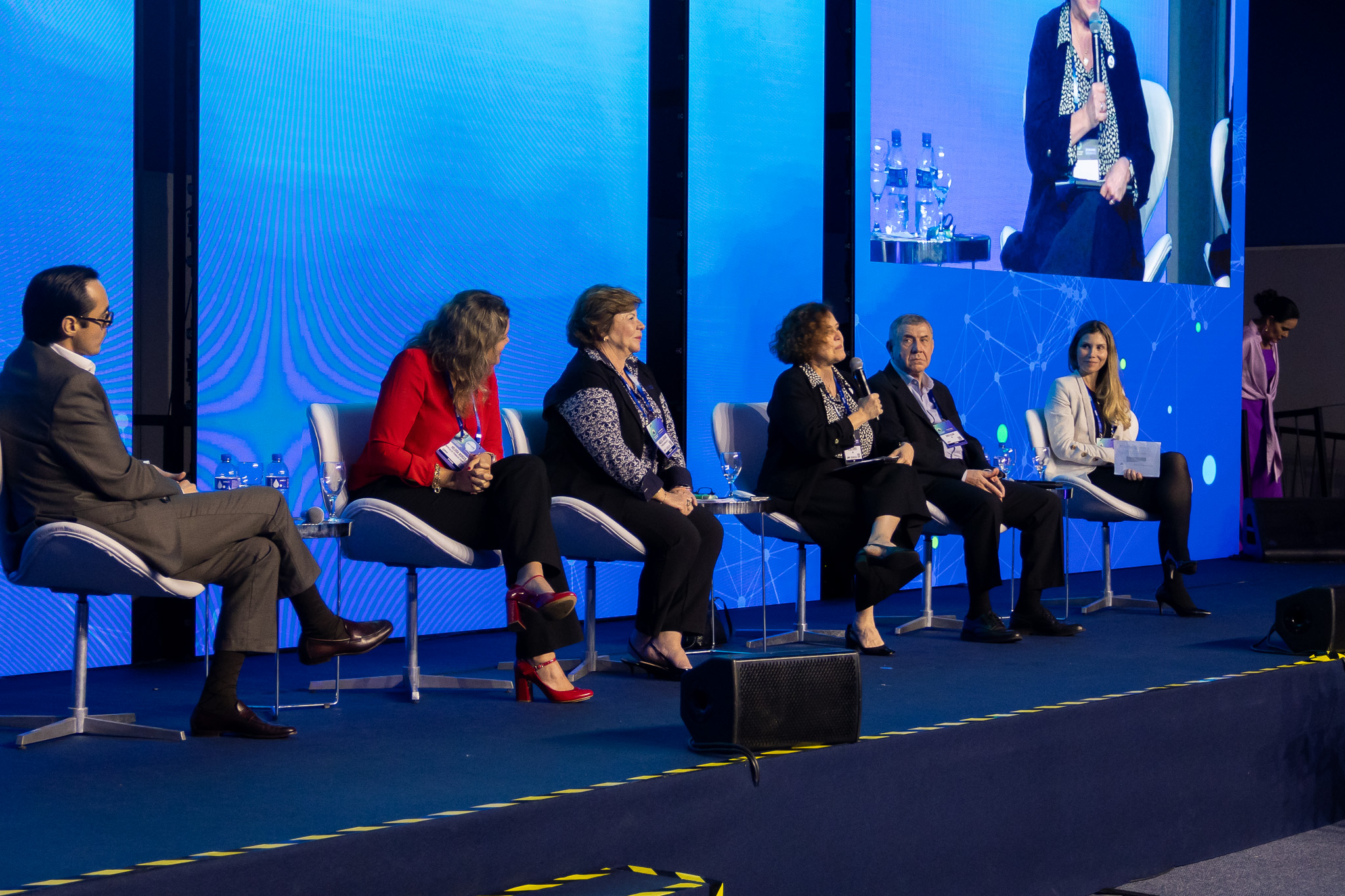
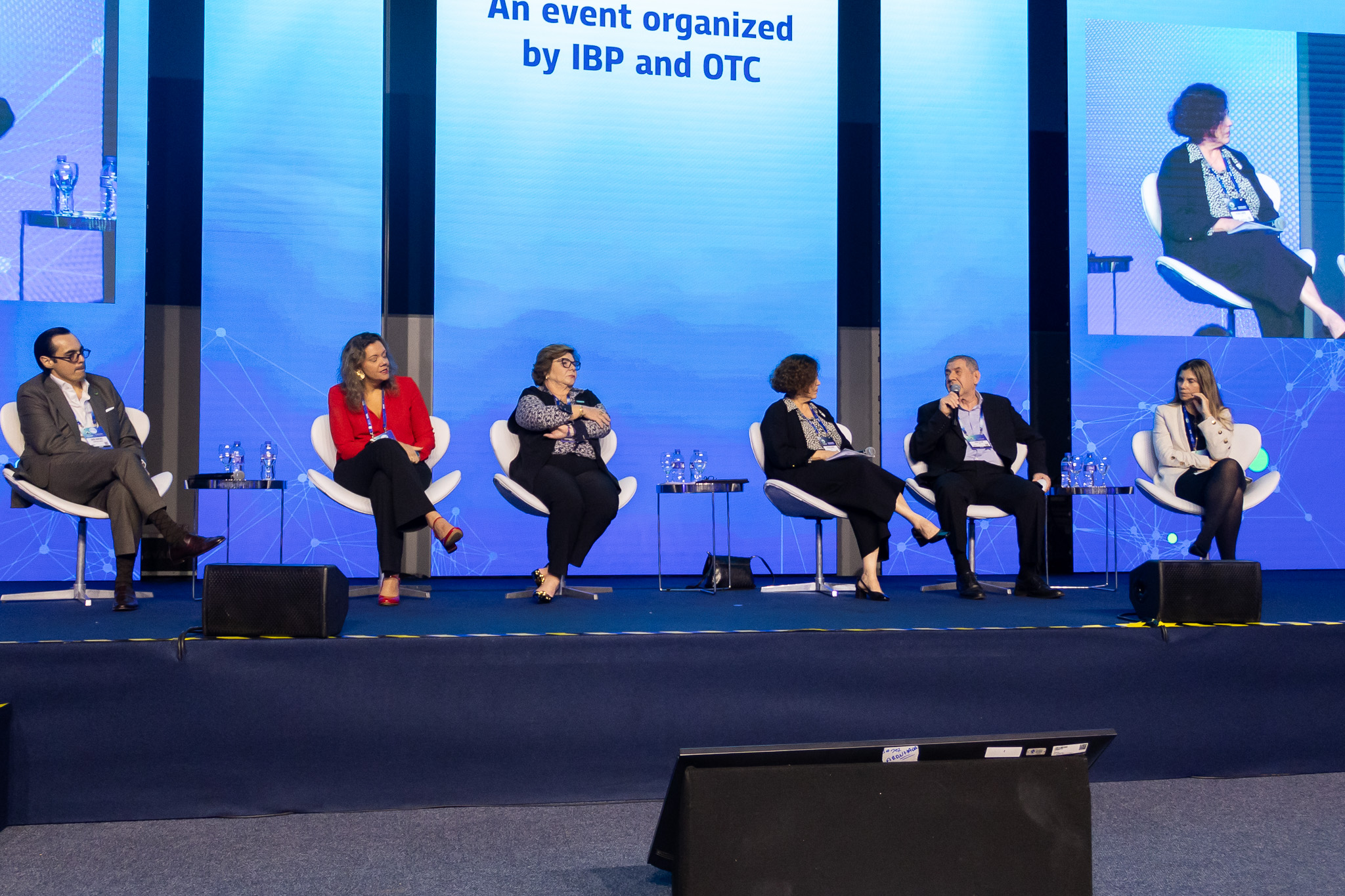
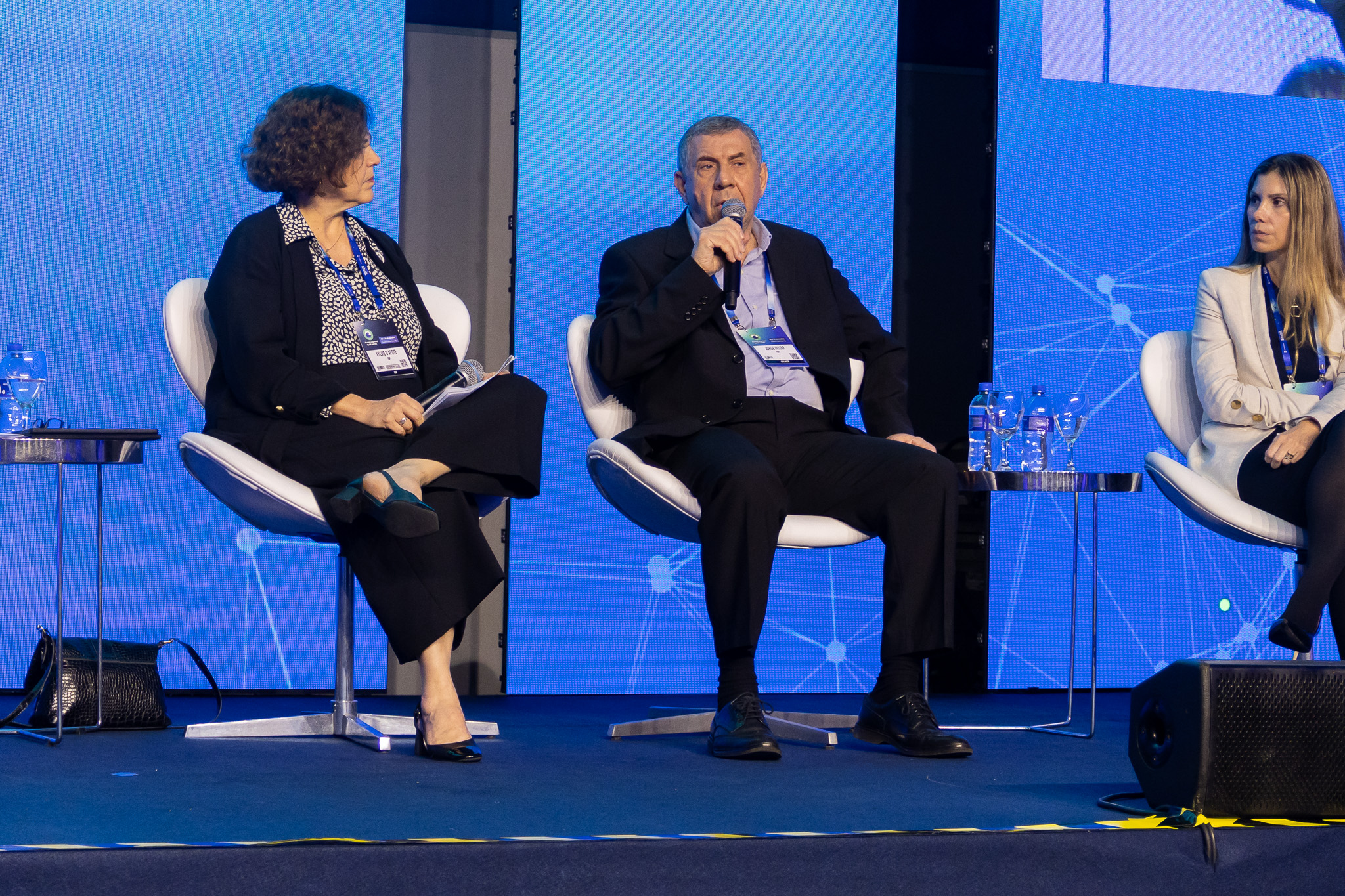
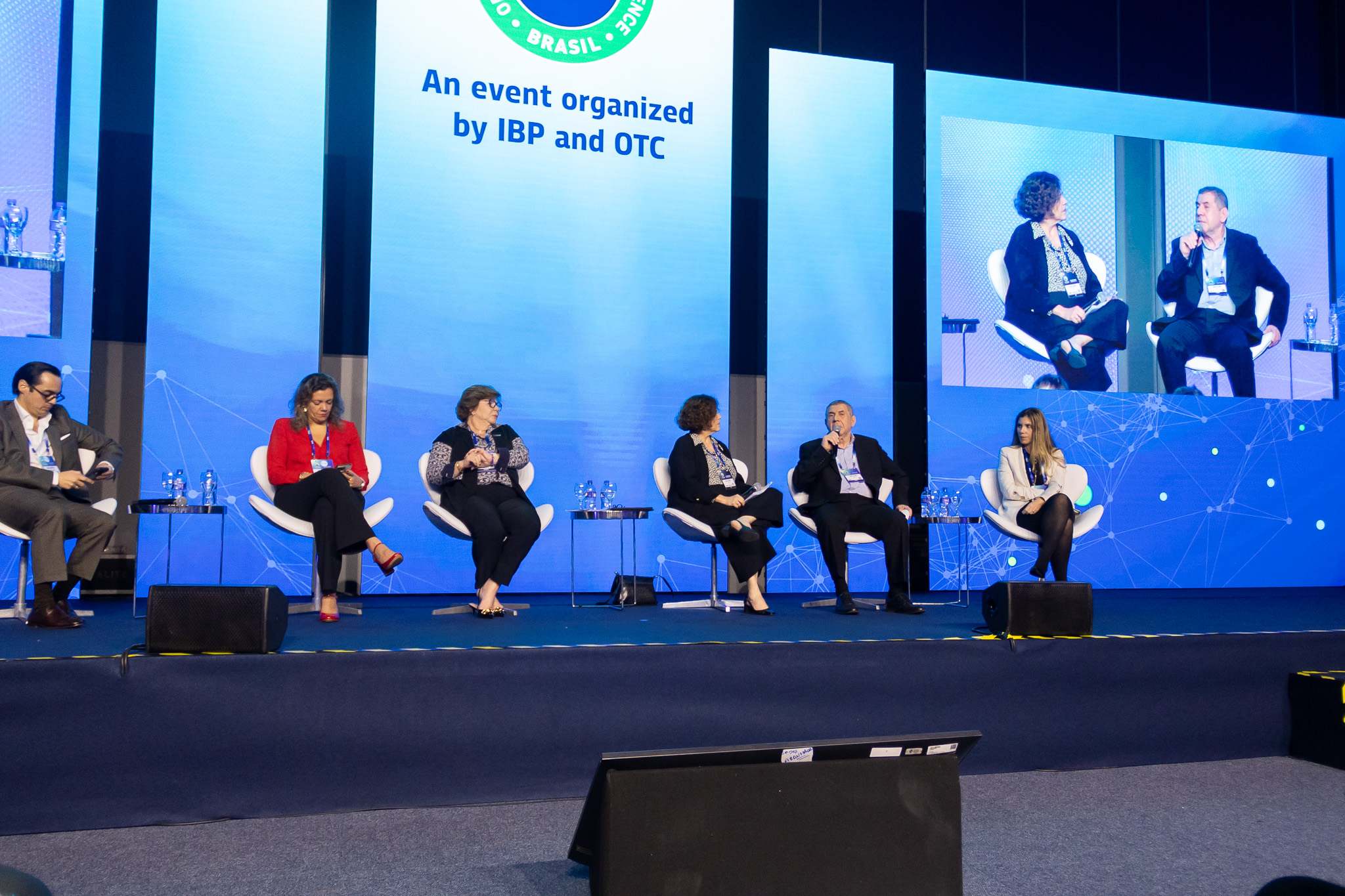
The CEO of Transportadora Brasileira Gasoduto Bolívia-Brasil (TBG), Jorge Hijjar, participated on October 30th in the panel “Monetization of Gas Resources in South America: Strategies for Success,” during OTC Brazil 2025, considered the main event of the offshore industry in Latin America. The meeting was held at ExpoRio Cidade Nova, in Rio de Janeiro.
The panel discussed best practices in market development and regulation, and cross-border cooperation and market integration regarding the large gas reserves in Argentina and recent discoveries in Colombia, along with the existence of growing national and regional markets for natural gas.
Hijjar highlighted the importance of transportation infrastructure as an essential element for the competitiveness and sustainability of the South American natural gas market, in addition to regulatory stability.
"We are experiencing an important moment for the gas industry in Brazil with the tariff review. Because, since we opened the market, based on the European model, we need strong, efficient, and rational regulation that does not vary over time. And the market, in terms of transportation, is completely open. Therefore, regulation is important with a fair tariff review. And for this, the ANP (National Agency of Petroleum, Natural Gas and Biofuels) has positioned itself to welcome contributions made through public consultations. What transportation agents expect is that the tariff review be clear and effective and with long-term validity, since the investments are long-term and robust," pointed out the CEO of TBG.
He also emphasized that transportation is the main link in the market opening, because that is when the ownership of the molecule changes:
"To improve competition, it is necessary to increase demand so that we have the possibility of a decrease in the price of gas. And, thus, expand the markets," he commented.
Hijjar also gave a technical overview of the investments needed to import gas from Vaca Muerta, Argentina, in its possible routes. He emphasized that, regardless of the chosen path, firm contracts are necessary to allow for investments and to ensure that the gas arrives in Brazil at a competitive price.
"Argentine gas already arrived here last summer, and although not in a significant volume, it proved that it is possible. It only requires commercial backing for the necessary investments, in addition to a competitive price compared to national gas," he said.
Regarding the energy transition, Hijjar highlighted the role of the natural gas industry:
"Gas is an element of a just and harmonious energy transition. Gas provides a backup for renewable energies. It is the gas infrastructure that facilitates the transfer of biogas to supply the country," explained the TBG executive.
The panel was moderated by Sylvie D’Apote, Executive Director of Natural Gas at the Brazilian Institute of Petroleum and Gas (IBP), and included Angélica Laureano, Executive Director of Energy Transition and Sustainability at Petrobras; Heloisa Esteves, Director of Petroleum, Natural Gas and Biofuels Studies at the Energy Research Company (EPE); Luciana Martins, Commercial Director of TotalEnergies Gas Southern Cone; and Jorge Andrés Martínez Olano, CEO of Ecopetrol Brazil.
The executives debated strategies to maximize the use of the continent's natural gas resources, considering the advancement of new markets in the region and the need for cooperation between producing and consuming countries.
OTC Brazil 2025, organized by the Brazilian Institute of Petroleum and Gas (IBP) and the Offshore Technology Conference (OTC), took place from November 27th to 30th. Under the theme "The Future of Deepwater Technologies: Connecting Oil and Gas and Renewable Energies," the event brought together more than 20,000 participants from over 20 countries, 150 speakers, and 200 exhibitors.