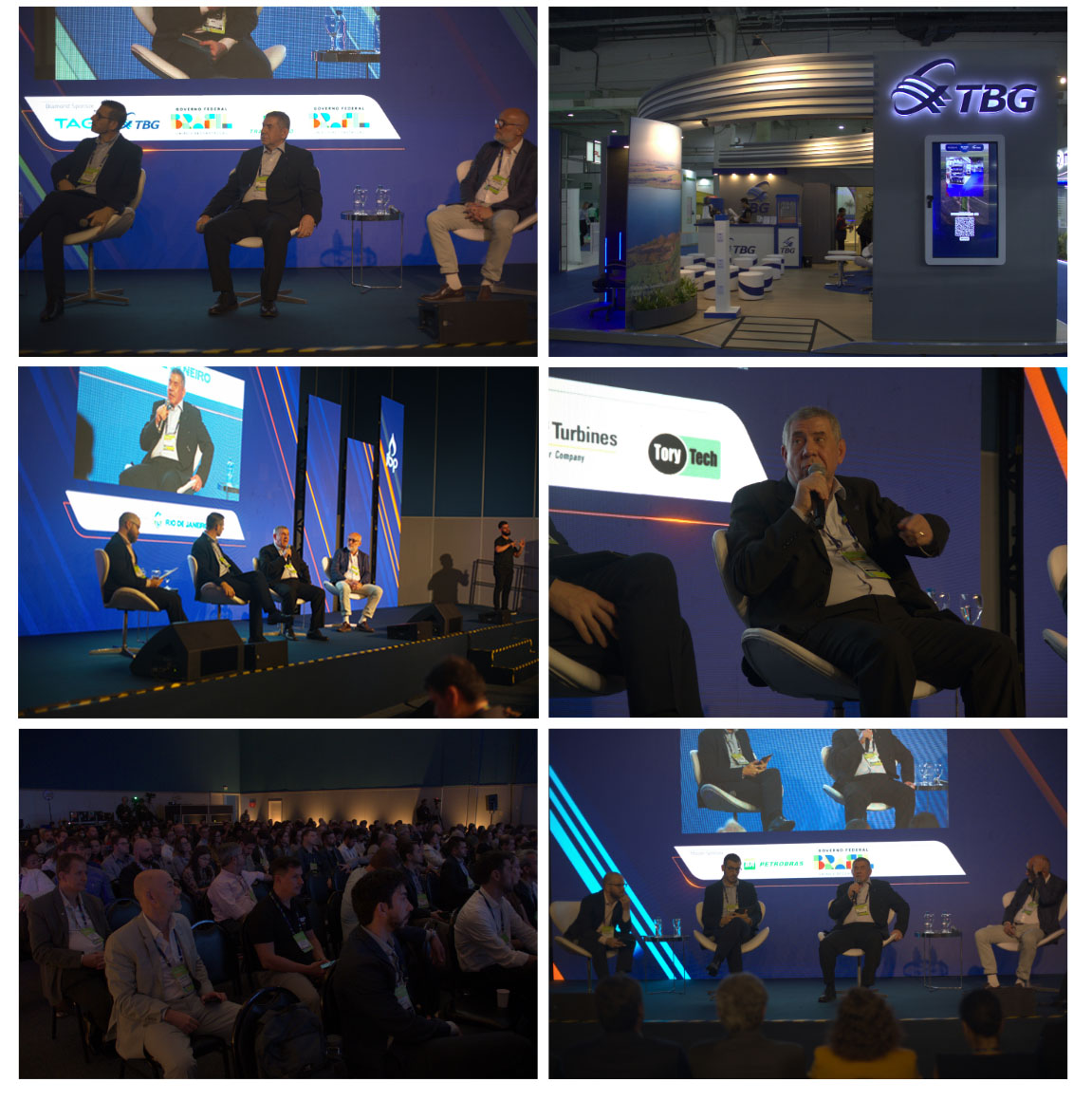

TBG, patrocinadora Diamond da Rio Pipeline 2025, promove debates relevantes para o setor em seu estande interativo
TBG, patrocinadora Diamond da Rio Pipeline 2025, promove debates relevantes para o setor em seu estande interativo


The Bolivia-Brazil gas pipeline operator, TBG, played a prominent role at Rio Pipeline 2025, one of the most important events in Latin America’s gas and energy sector. This year, TBG reinforced its commitment to operational excellence, sustainability and technological innovation by being a Diamond sponsor of the event, as well as presenting a robust series of activities at its booth and actively contributing to strategic industry discussions.
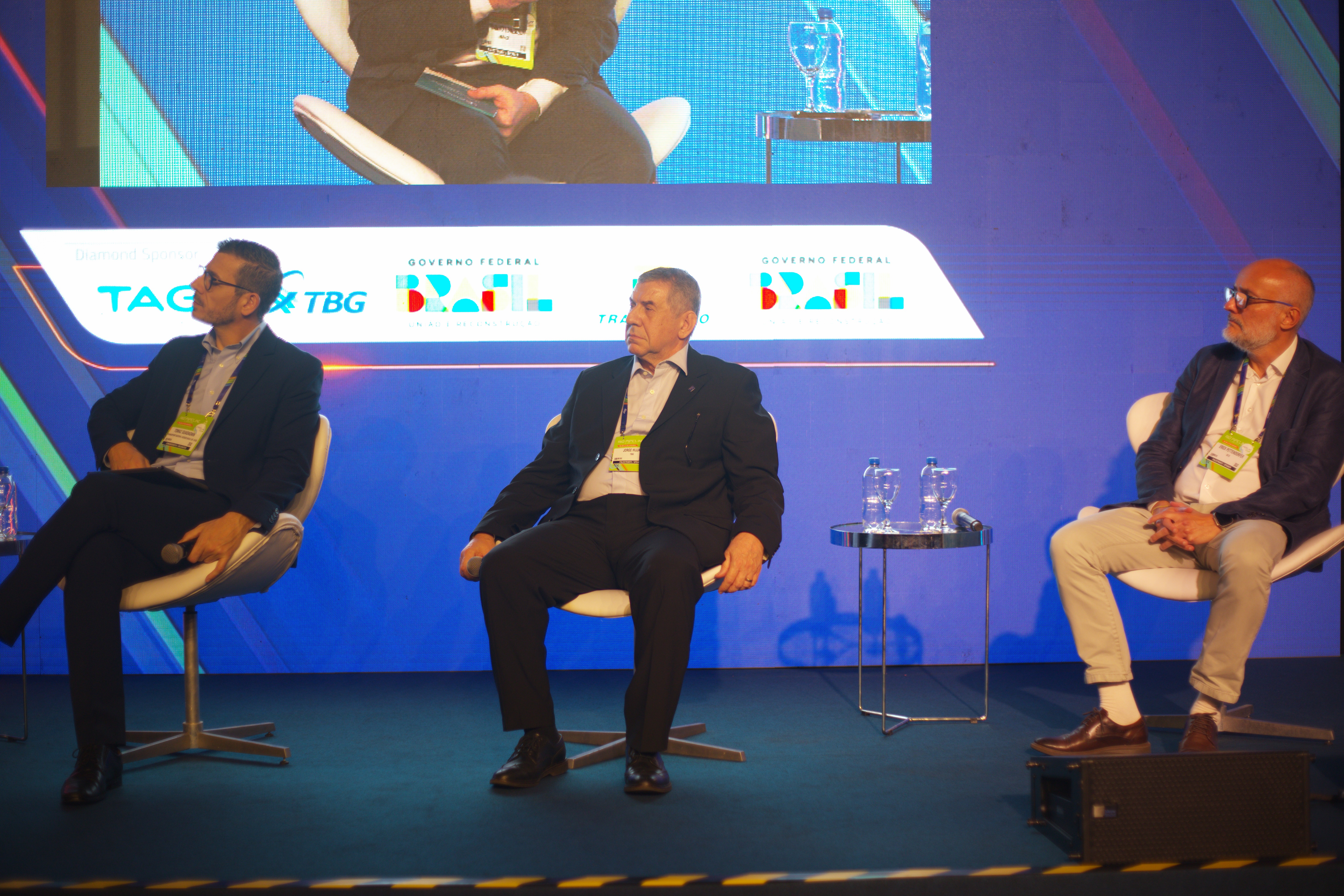
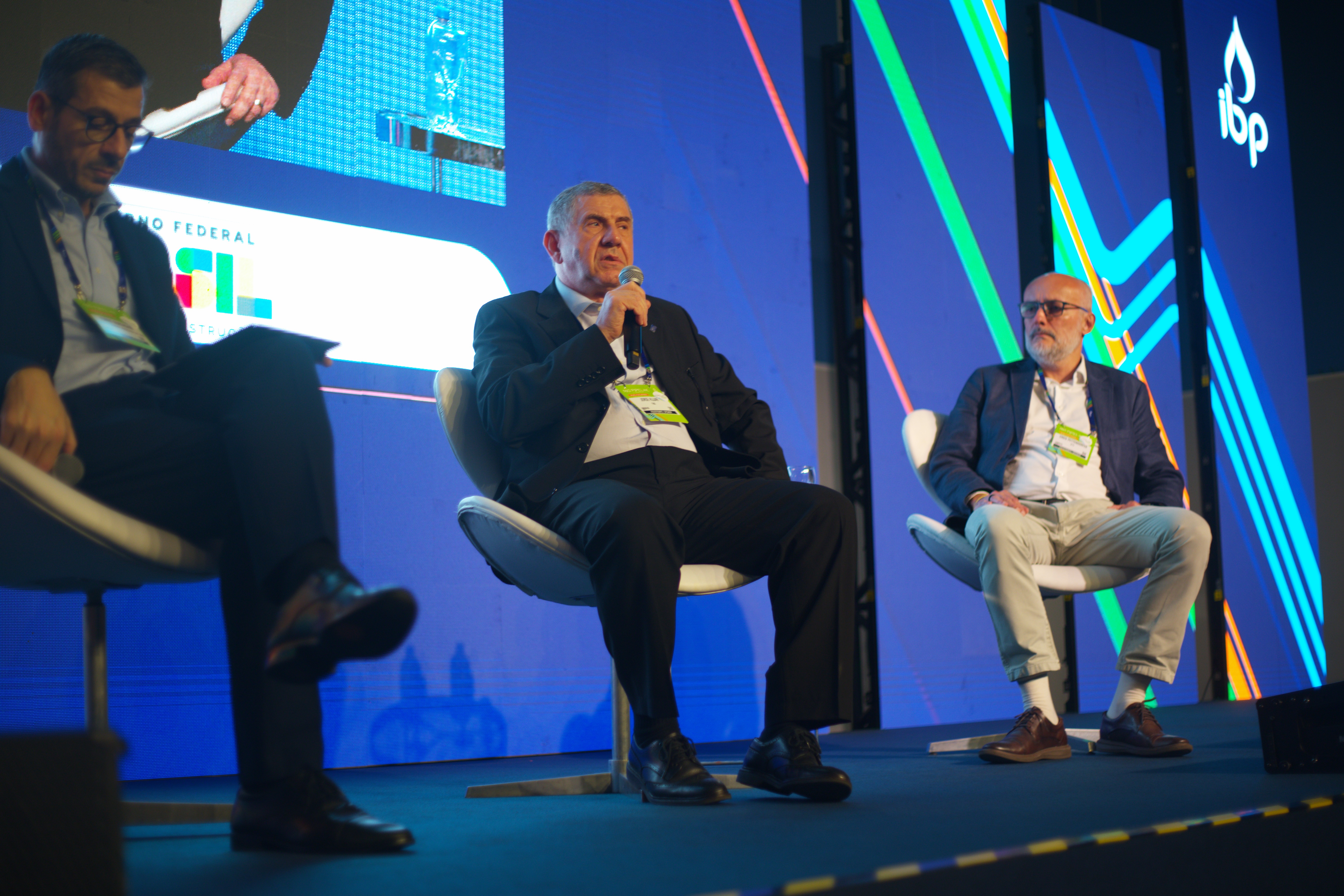
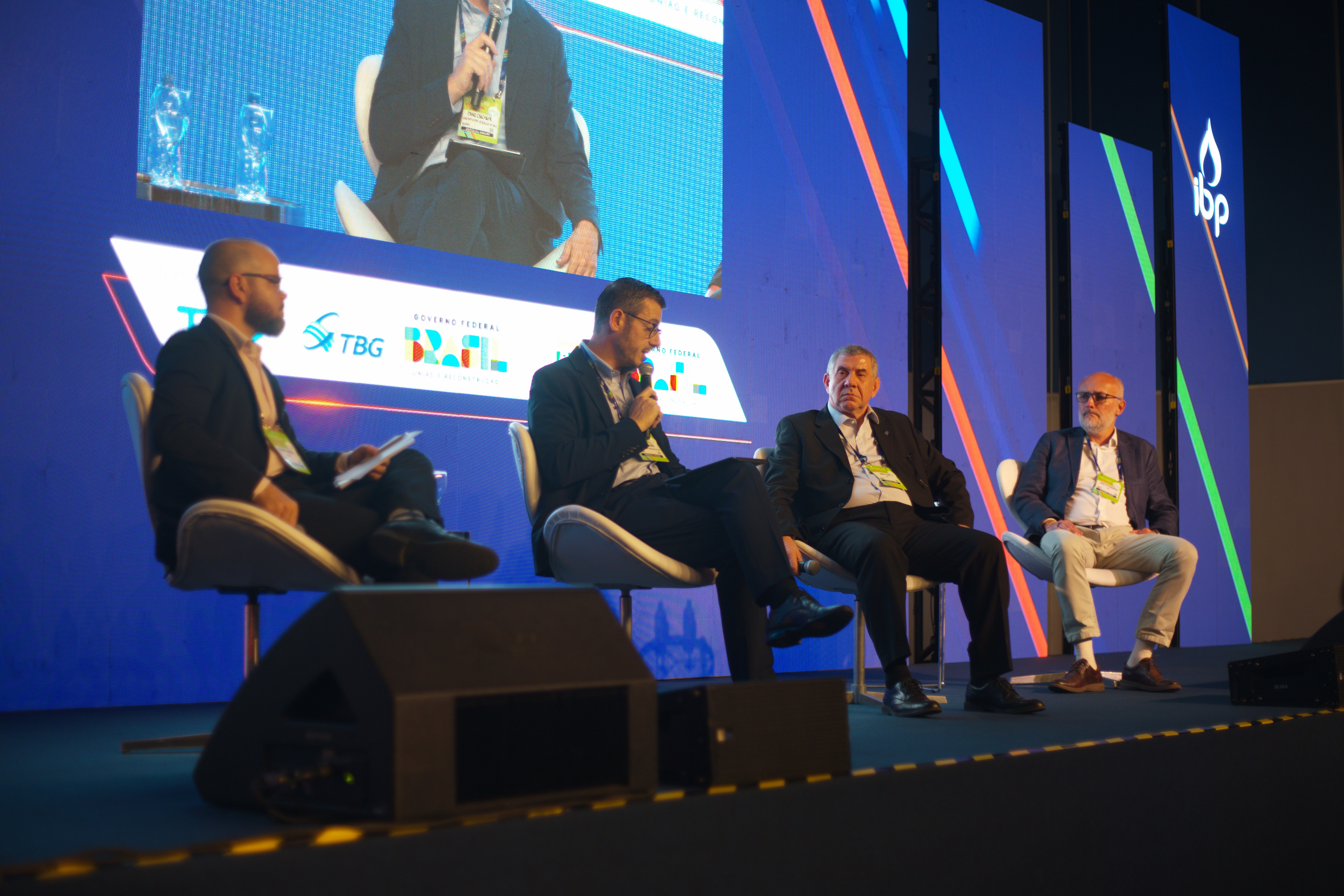
On September 9, the first day of the event, TBG’s chief executive officer, Jorge Hijjar, participated in a panel discussion called “The Opening up of the Market and Regulatory Advances to Expand the Transportation Network.” He highlighted the importance of regulation for the market’s liberalization and new transportation opportunities.
“In 2019, we had just four transportation contracts with a single client. In 2016, based on the experience of the European market, we strategically planned to grow our client portfolio, and we now have around 500 contracts in place. When Bolivia began to experience fluctuations in gas exports to Brazil, we were able to increase our number of clients by offering differentiated short-term contracts, for example. Today we have a unified platform, called the Capacity Offer Platform, which involves major efforts for harmonization between carriers, facilitating this type of negotiation,” said Hijjar, stressing the importance of market liberalization.
Regarding regulation, TBG’s chief executive officer stated that while long-term projects follow the National Integrated Plan for Natural Gas and Biomethane Infrastructure (PNIIGB), some other projects require faster regulatory decisions.
“In the case of TBG, the amount of gas coming from Bolivia is declining fast, so we need to guarantee supply in the medium term. And that requires special treatment because it influences supply in our area of operation. Today we have the capacity to receive a volume of 25 million cubic meters per day from the future Southern Pre-Salt Corridor, for example, which requires faster regulation. Therefore, for some short-term projects, we need speed. Another example is the market demand to inject biomethane into the grid. We already have 17 letters of intent from producers and a solution in place to increase biomethane transportation and reach the domestic market. Our proposal is under review by the National Oil, Natural Gas and Biofuels Agency (ANP),” he explained.
According to Hijjar, in the context of the energy transition movement and the future of the midstream sector, it is essential to strengthen the transportation link, similar to the approach taken in Europe. This would not only enable competition in the Brazilian market but also fortify transportation infrastructure.
“When supply exceeds demand and there is competition among suppliers and consumers, it will be possible for the gas price to fall,” he said.
Hijjar also emphasized the importance of the panel, in which he participated alongside executives from NTS and TAG. “This panel gives us the opportunity for transparency, as we are in a moment of regulatory flux, which requires speed and serenity. We are experiencing a time of challenges, but also many opportunities to make the gas market thrive,” he said.
TBG’s booth
During the three-day event, the TBG booth was a meeting point for industry professionals and representatives, hosting technical talks, interactive sessions, immersive digital experiences and presentations of the company’s success stories. The space also ran activities related to digital transformation, pipeline integrity and decarbonization of operations, which are key topics for the future of the natural gas transportation sector. See the full schedule of activities on TBG’s website: https://www.tbg.com.br/riopipeline2025
TBG’s participation in the event also reinforced its role as a facilitator of the Brazilian natural gas market’s development, promoting solutions that ensure safety, reliability and competitiveness in the sector.
Rio Pipeline 2025 took place between September 9 and 11 at the Expo Cidade Nova convention center in Rio de Janeiro.